Consignment is a Particular Kind of Secondhand Seller
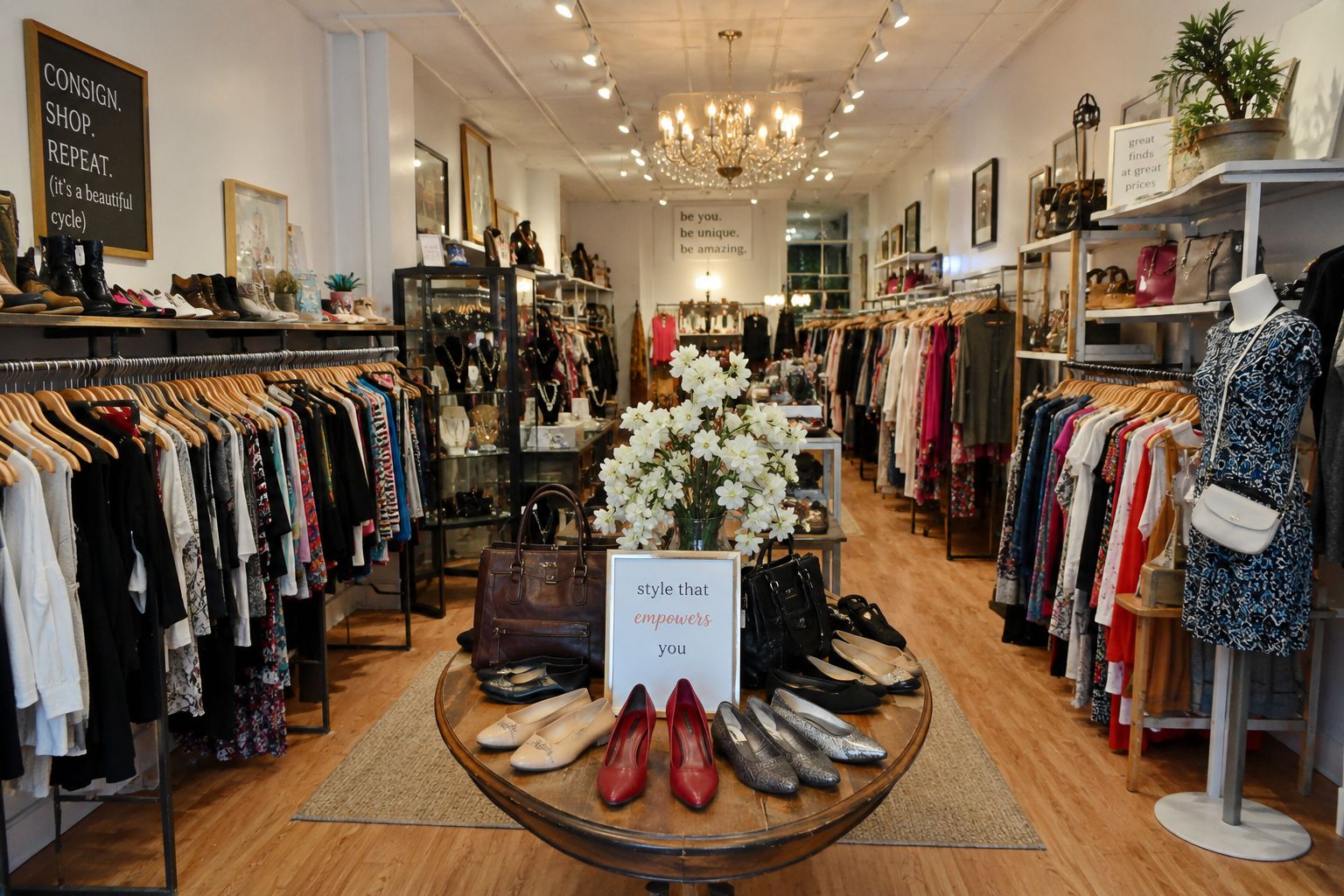
A Modern Consignment Shop
In the contemporary retail ecosystem, the term "secondhand" encompasses a vast spectrum of shopping experiences, yet none are quite as structurally unique as the consignment shop. To the casual observer, a consignment boutique might look identical to a thrift store or a vintage resale shop, but beneath the surface lies a completely different economic engine. Unlike traditional thrift stores—such as Goodwill or the Salvation Army—which rely entirely on inventory donated by the public for charitable purposes, consignment shops operate on a strict profit-sharing partnership with independent individuals.
Furthermore, consignment differs fundamentally from standard buy-out resale shops (like Plato’s Closet or local vintage dealers), where a store buys your used items upfront for cash or store credit and takes immediate ownership of the inventory. In a consignment model, the person bringing in the items—the "consignor"—retains legal ownership of their property even while it sits on the showroom floor. The shop owner acts merely as a highly curated gallery space, organizing, marketing, and safeguarding the items. Only when a customer purchases the item does a transaction trigger, at which point the shop splits the payout with the original owner, typically keeping a small commission for their labor. It is a selective marketplace where items typically meet quality standards, separating it from the bulk-sorting nature of thrift stores.
The High-Seas Legal History of the Name
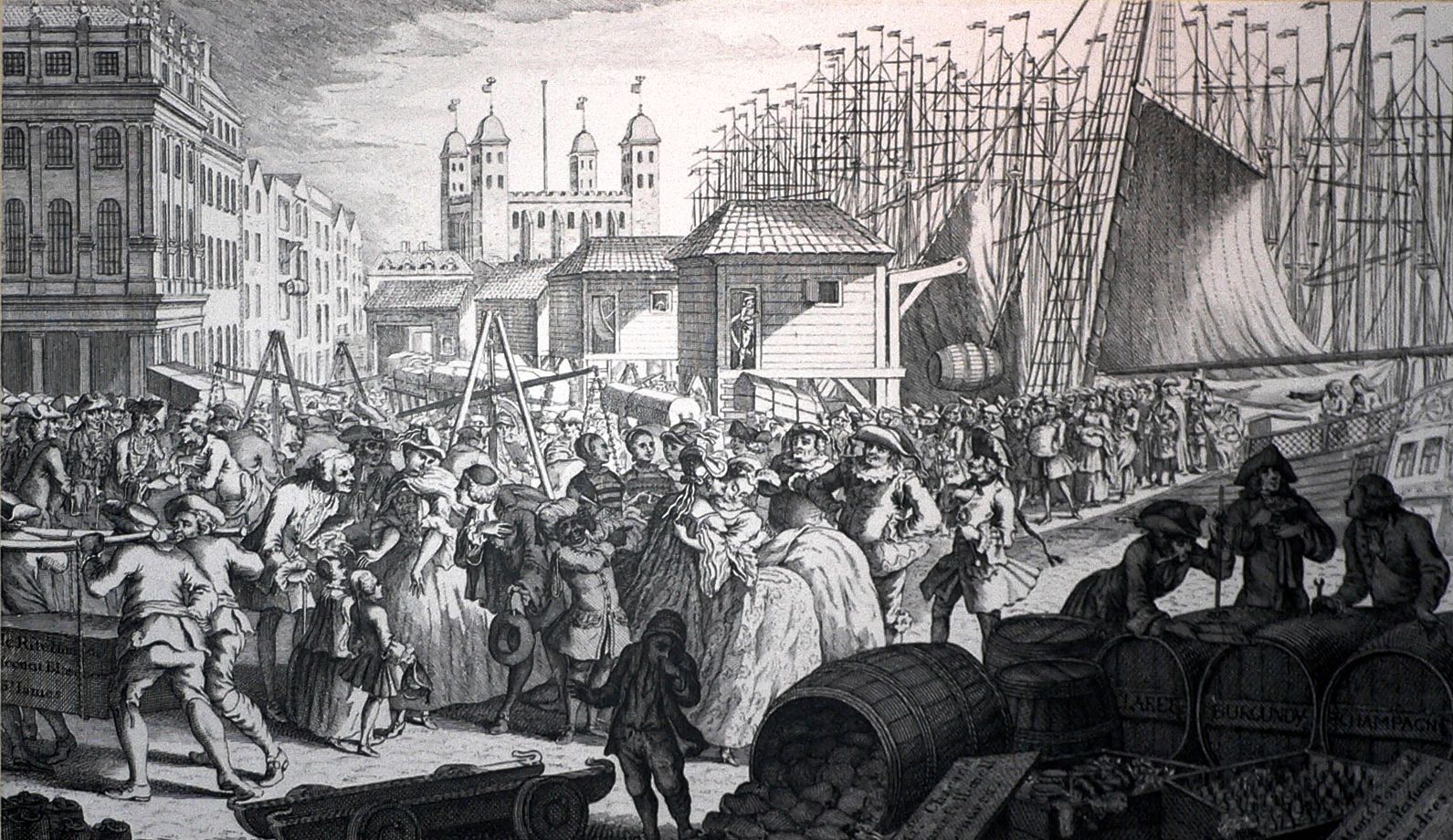
French Imports
The word "consignment" did not originate in the world of fashion, luxury goods, or local retail. Instead, its roots trace back centuries into international maritime law and shipping logistics. Derived from the French consigner (meaning "to hand over") and the Latin consignare ("to seal or register"), the term originally referred to the official practice of stamping cross-border goods with a hot wax seal just before they were loaded onto cargo ships.
By the 17th and 18th centuries, consignment became a formalized legal framework designed to solve a massive problem in transatlantic trade: financial risk. If a textile merchant in London wanted to sell wool to the American colonies, shipping the goods across the ocean was incredibly dangerous and expensive. If the merchant sold the wool directly to a Boston shopkeeper, that shopkeeper had to take on massive debt to buy inventory that might not sell. To bypass this friction, merchants began "consigning" their cargo to overseas agents. Under maritime consignment law, the physical goods were transferred to the Boston agent, but the London merchant retained absolute legal ownership. The agent held no financial liability for the inventory; they simply stored it, marketed it, and took a commission upon a successful sale. If the goods failed to sell, they were shipped back to the owner. Modern consignment shops simply adopted this exact 400-year-old maritime legal loophole, replacing London wool merchants with everyday citizens looking to clear out their closets.
Consignment in America
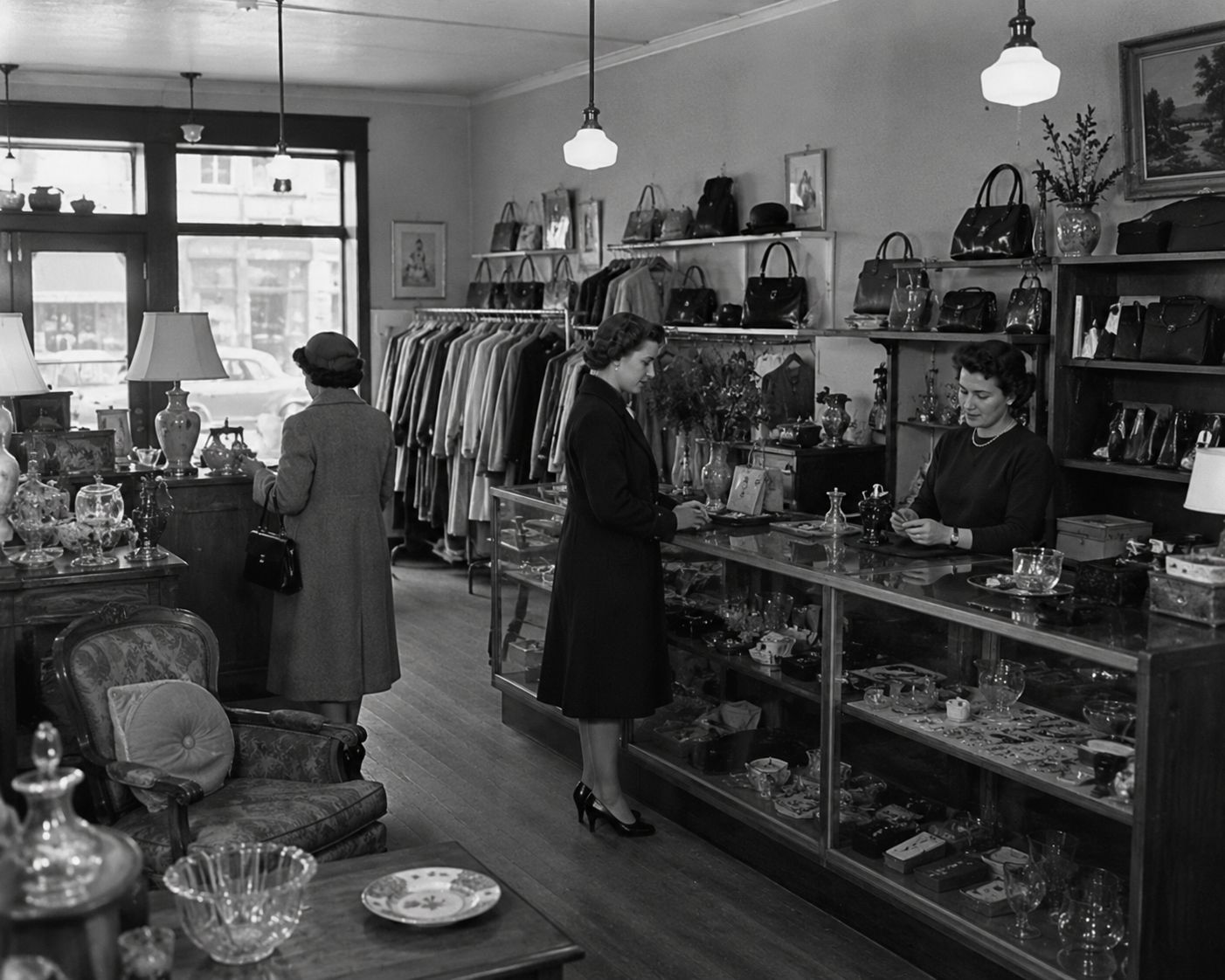
1950s Consignment Shop
While informal secondhand markets and pushcart peddlers have existed since the founding of the United States, the formalized American consignment shop rose to prominence during the late 19th and early 20th centuries. The Industrial Revolution brought mass-produced textiles, meaning the emerging middle class suddenly possessed a surplus of clothing and changing fashion seasons. For the first time, people had garments that were still in excellent condition but no longer in vogue.
However, during the early 1900s, buying used clothing carried a severe social stigma associated with poverty and uncleanliness. To combat this, clever entrepreneurs opened the first upscale consignment boutiques, intentionally designing them to look like high-end department stores. Wealthy women could discreetly drop off their luxury gowns, and middle-class women could buy elite fashion at a fraction of the cost. The model truly exploded during the Great Depression of the 1930s. With the economy shattered, cash-strapped families used consignment shops to liquidate their jewelry and furniture for survival cash, while store owners used the model to stock shelves without spending a dime of upfront capital. This era permanently stripped away the social stigma of secondhand shopping, transforming consignment into an enduring staple of mainstream American commerce.
The Digital Tollbooth
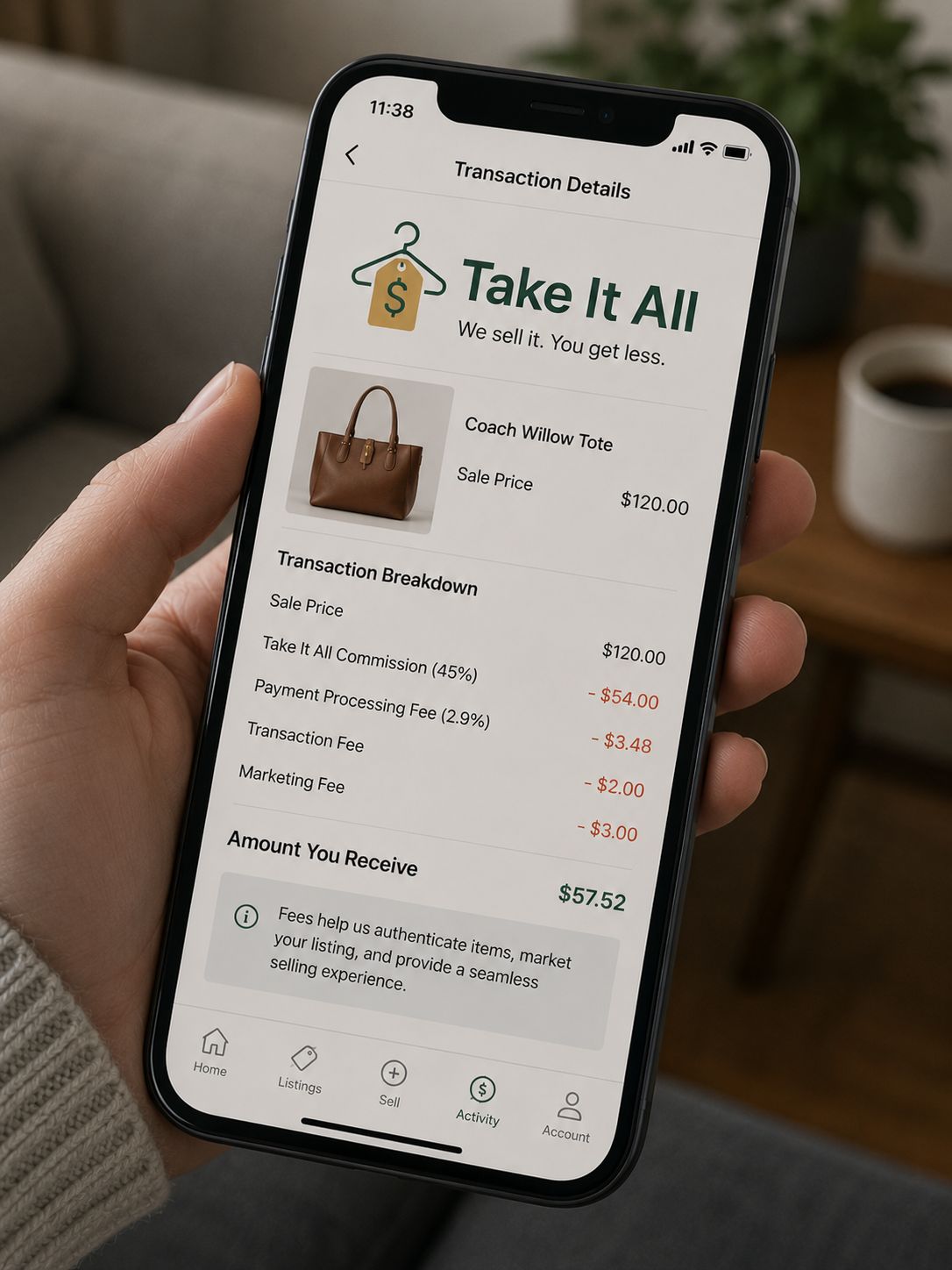
Dramatized Consignment App
In the digital age, the traditional brick-and-mortar consignment shop has migrated onto massive online platforms like ThredUp and The RealReal. While these applications market themselves as modern, decentralized solutions for sustainable fashion, they have digitized the ancient maritime tollbooth into a highly aggressive, corporate-controlled environment. Because digital consignment platforms must handle immense physical overhead—including massive warehouses, shipping logistics, and luxury authentication teams—they have instituted a tiered "pay-to-play" matrix that severely squeezes both sides of the transaction. For low-to-mid-value items, consignment apps routinely take up to an 80% to 90% cut of the sale, leaving the seller with mere pennies. Concurrently, buyers are hit with mandatory "buyer protection fees," processing taxes, and inflated shipping costs at checkout. To maintain visibility in crowded digital spaces, both peer-to-peer apps (like eBay and Poshmark) and full-consignment platforms force users into a "promoted listing" trap, where sellers must sacrifice an additional 2% to 15% of their profits just to prevent their items from being algorithmically buried.